Love the Moment

Category: Uncategorised

Connecting with Nature at Cottonwood Island

During our time at Cottonwood Island, we worked on creating a lesson plan that builds a connection between students and nature. I found this activity meaningful because we were not just sitting in a classroom and thinking about how to connect learning to the land around us. Instead, we had the chance to spend time in nature, listen to the sounds around us, and observe our surroundings. Being in that environment helped me get new ideas and think more deeply about how nature can become part of learning. I realized that sometimes, stepping outside the classroom can help us see things from a different perspective and find inspiration in places we might not usually notice.

This experience also made me think about the importance of helping students build their own connections with nature. As teachers, we often focus on what students need to learn from books or classroom activities, but learning can also happen through direct experiences with the land. I believe that when students have time to slow down, observe, listen, and explore, they can develop a deeper understanding of the natural world. I also learned that a lesson does not always need to begin with a clear answer or a fixed idea. Sometimes, giving students the opportunity to experience something first can lead to more meaningful questions and learning. As a future teacher, I would like to create more opportunities for students to learn outside the classroom and develop their own relationships with the land.

“In every walk with nature one receives far more than he seeks.”

— John Muir

Blanket Exercise with Dr. Daniel Sims(10.19)

Today’s Blanket Activity was an important experience that helped me understand Indigenous history and reconciliation in a more realistic and meaningful way. Before this activity, I had mainly learned about Indigenous history and reconciliation through books, readings, and media. However, participating in this activity helped me see the impact of colonization from a different perspective.

From the early stages of European colonization, when Indigenous Peoples began to lose their lands, to the devastating effects of residential schools, the activity helped me understand how Indigenous families and communities were disrupted and separated. Rather than simply reading about these historical events, I could observe the changes through the activity and experience how these losses affected Indigenous Peoples and their communities. This made the history feel much more real to me. I also began to understand more deeply why the effects of colonization continue to be felt today.

One thing that stayed with me was that the loss of land and the separation of families were not only individual experiences. They also affected the connections between people, their communities, cultures, and ways of life. This helped me think about community in a deeper way. A community is not just a group of people living in the same place. It is built through relationships, shared histories, culture, language, and a sense of belonging. When these connections are disrupted, the effects can continue across generations.

As a future teacher, this experience made me reflect on how I should teach Indigenous history and reconciliation. I do not want to teach these topics as events that happened only in the past. Instead, I want to help students understand how history continues to shape people’s lives and communities today. I also need to think carefully about whose perspectives are included in the curriculum and whose voices may be missing.

This activity also reminded me that decolonization is more than including Indigenous stories and traditions in the classroom. It requires me to question my own assumptions, learn from Indigenous perspectives, and understand the history and experiences of the Indigenous communities whose lands we live and learn on. I know that I still have much to learn, and I should not assume that I fully understand the experiences of others after one activity.

Moving forward, I want to continue learning about the local Indigenous communities and their histories, and consider how I can respectfully include their knowledge and perspectives in my teaching. I also want to create a classroom where students learn not only to respect differences but also to ask questions, think critically about history, and understand the importance of relationships and community.

Today’s activity reminded me that becoming a teacher is not only about sharing knowledge. It is also about being willing to question what I know, listen to different perspectives, and take responsibility for how I teach. I am still learning what decolonization means in practice, but I believe that this reflection is an important step in becoming a more thoughtful and responsible teacher.
West Lake Provincial Park; Land BasedLearning; Land Acknowledgements; FPPL; A Walking Curriculum; The Four Rs(Oct. 5th)

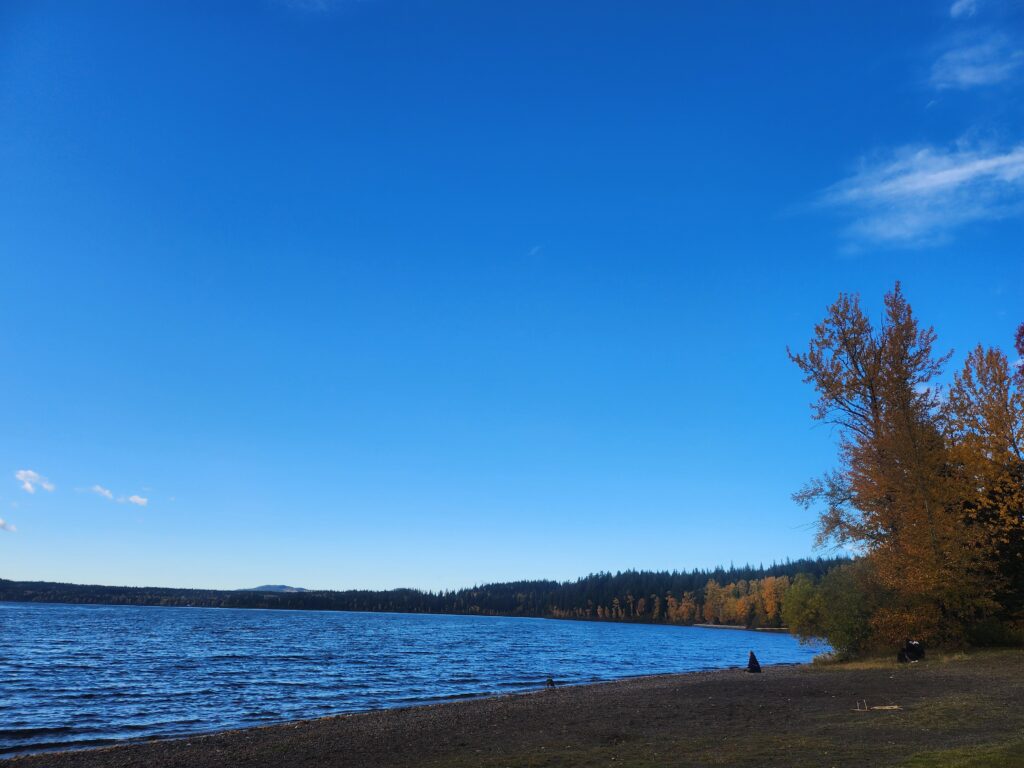
Today, we went to West Lake Provincial Park for a field trip. Through this experience, I learned more about Land-Based Learning and thought about how learning in the land can be different from learning in a classroom. We walked, observed nature, and did different activities outside. I realized that the land is not only a place for outdoor activities. It can also be an important place where students can learn and build relationships.

We learned about the First Peoples Principles of Learning (FPPL) and connected them to our activities. This helped me think more about how Indigenous ways of knowing can be included in education. I also learned about the Four Rs: Respect, Relevance, Reciprocity, and Responsibility. These ideas made me think that students should not only use the land for learning. They should also learn how to respect the land and understand their relationship with it.

This experience also gave me some ideas about how Indigenous perspectives can be connected to different subjects. For example, students can learn about nature and ecosystems in science. They can also use their experiences on the land in art, writing, or other subjects. I think Indigenous perspectives should not be added as just one extra topic. Instead, teachers can think about how they can change their teaching and connect Indigenous ways of knowing to different areas of learning.

At the same time, I started to think about some challenges with outdoor learning. I realized that simply taking students outside does not automatically create meaningful learning. Teachers need to think carefully about what students will learn, why they are doing the activity, and how the activity connects to the land. Teachers also need to think about how to include Indigenous perspectives in a respectful way.

After today’s field trip, I have a better understanding of how land can become part of learning. As a future teacher, I want to use outdoor learning not only as a fun activity, but as an opportunity for students to observe, think, build relationships, and learn from the place around them. I also want to think carefully about the learning content and purpose before planning outdoor activities.

Beaded Tweets with Noelle Pepin,Indigenous perspectives & knowledge in BC’s Curriculum, Standard 9(Sept. 28th)

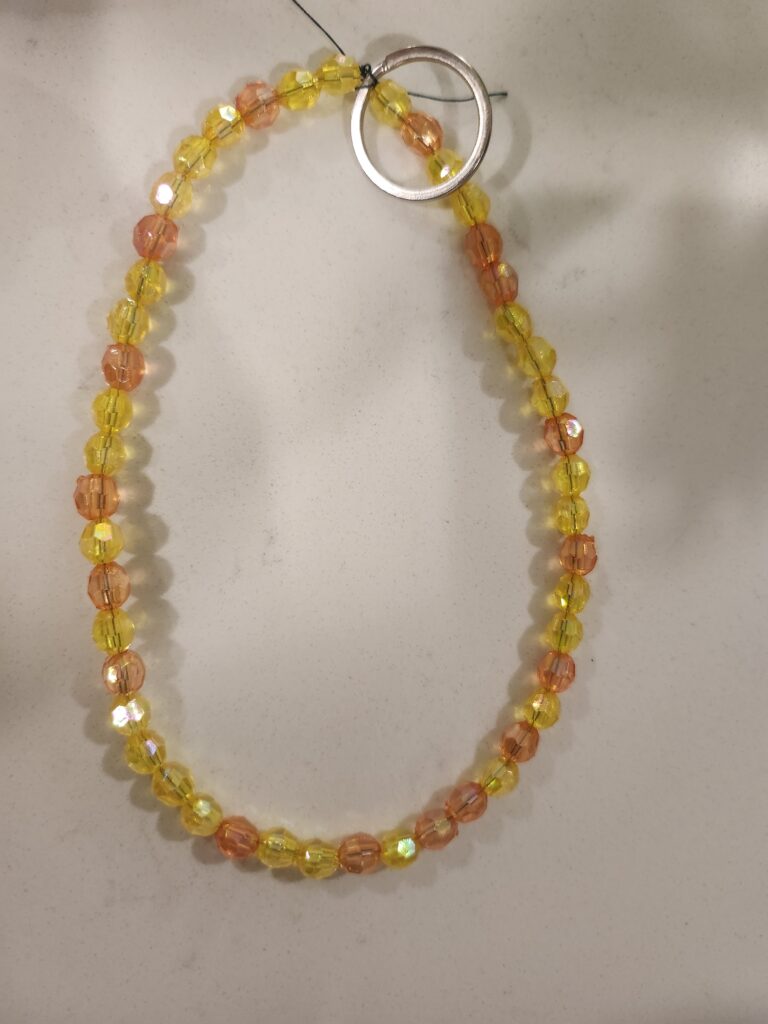
This week in EDUC 394, I learned about Indigenous education through the Beaded Tweets activity and the reading by Noelle Elizabeth Pepin. I enjoyed making the beads, but I also started to think about the meaning of the activity. Making beads gave me a chance to slow down, talk with others, and build relationships. I realized that learning can happen through simple activities when we do them together.

One important idea I learned is that Indigenous culture should not be taught only as a new topic in one lesson or one unit. I think it should be connected to many different areas of learning. For example, students can learn through art, stories, land, relationships, history, and everyday classroom activities. Indigenous education should be something that is part of learning, rather than something that we only talk about at a certain time.

I also read BC Professional Standards for Educators, especially Standard 9. Standard 9 helped me understand that teachers need to learn about Indigenous history, culture, and ways of knowing and being. It also talks about the importance of relationships and connectedness. This connected with the Beaded Tweets activity because I could see that learning was not only about making something. It was also about being together and learning from the experience.

Before this activity, I mostly thought about Indigenous education as learning about Indigenous history and culture. Now I think it is also about how we build relationships and create learning experiences with students. As a future teacher, I want to think about how I can include Indigenous perspectives in different subjects and activities. I do not want students to see Indigenous culture as something separate from their other learning. I want it to be a natural and meaningful part of the classroom.

© 2026 Chloe Lee

Theme by Anders Noren — Up ↑